
Hey there, beautiful people! Let’s dive into a topic that affects many of us—acne. Whether you’re a teenager dealing with the occasional breakout or an adult still battling those pesky pimples, we’ve got you covered.
As an Amazon Associate, I earn from qualifying purchases. This post contains affiliate links marked (paid link).
Understanding Acne
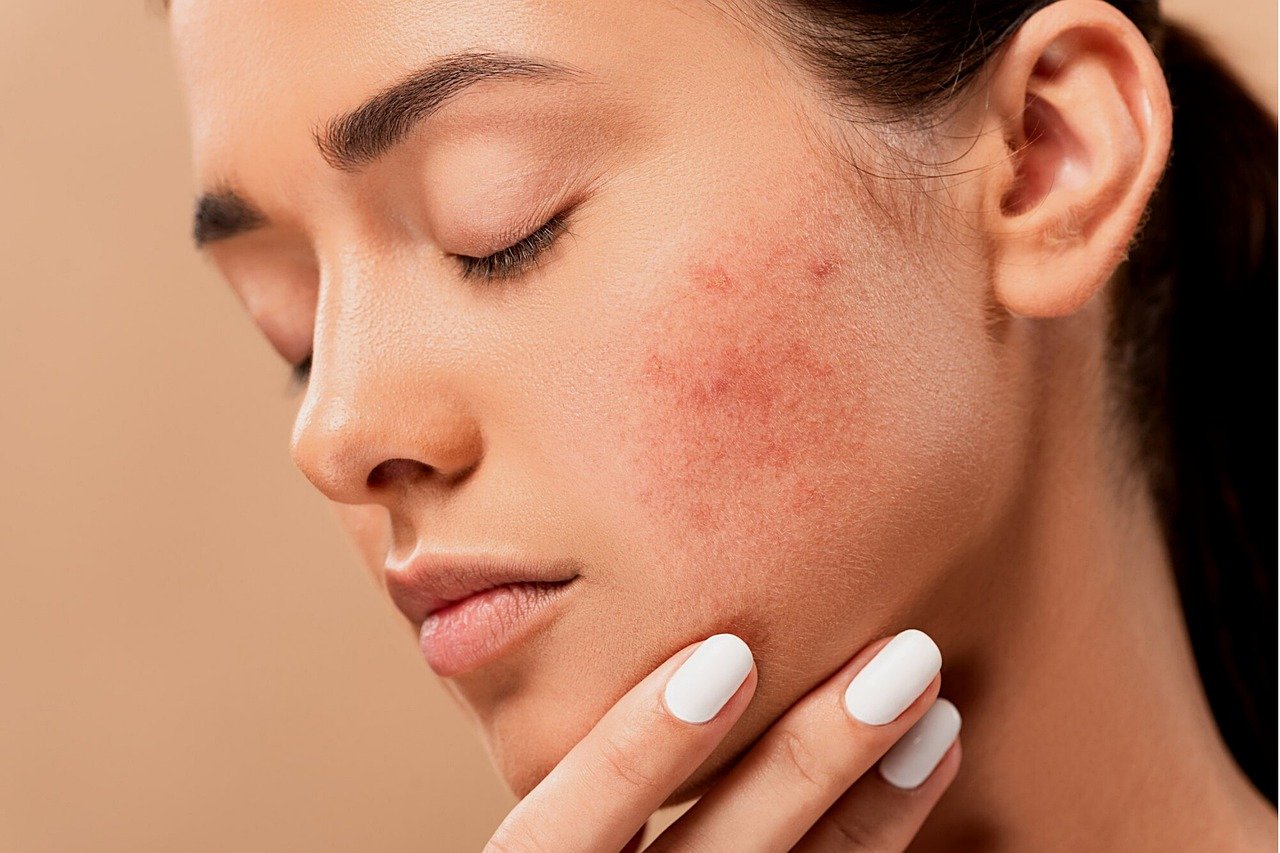
First things first, what exactly is acne, and why does it happen? Acne is a common skin condition characterized by acne marks and various types of pimples. These can include blackheads, whiteheads, papules, pustules, cysts, and nodules. Acne can range from mild to severe, and it often shows up on the face, chest, back, and shoulders.
So, what causes acne on your face? Well, there are a few culprits. Hormonal changes, excess oil production, clogged pores, bacteria, and even genetics can play a role. But fear not, because there’s a wide range of acne treatment options available.
Types of Acne Explained
Not all breakouts are the same, and knowing which type you’re dealing with helps you pick the right treatment:
- Blackheads: Open, clogged pores that appear dark due to oxidized oil, not trapped dirt. Best addressed with salicylic acid, which dissolves the buildup inside the pore.
- Whiteheads: Similar to blackheads but closed at the surface, giving them a white or flesh-colored bump appearance.
- Papules: Small, inflamed red bumps without visible pus, tender to the touch.
- Pustules: What most people picture as a classic pimple, an inflamed bump with a visible white or yellow pus-filled center.
- Nodules: Larger, firmer lumps that form deep under the skin and can be painful, these usually need professional treatment.
- Cysts: The most severe form, large, soft, pus-filled lumps deep in the skin that carry the highest risk of scarring and typically require a dermatologist’s care.
Acne Treatment: What Works?
If you’re wondering how to get rid of acne, you’re not alone. Let’s explore some effective treatments:
- Acne Treatment at Home: Start with a consistent skincare routine. Cleanse your face gently with a salicylic acid cleanser, and don’t forget to moisturize. Shop my go-to salicylic acid cleanser (paid link).
- Acne Treatment Cream: Over-the-counter creams with active ingredients can help. Look for ones with benzoyl peroxide, which kills bacteria, or salicylic acid, which unclogs pores. Start with a lower concentration to see how your skin tolerates it before moving up. Shop a benzoyl peroxide spot treatment (paid link).
- Acne UV Gel and Sunscreen: Protect your skin from harmful UV rays, especially if you’re using acne treatments. Some products combine acne UV gel with sunscreen for convenience.
- Acne Treatment for Oily Skin: If your skin tends to be oily, choose products that are oil-free and non-comedogenic to prevent pore blockage.
- Professional Acne Treatment: For severe acne, consider consulting a dermatologist. They can prescribe stronger treatments like antibiotics or retinoids.
Dealing with Acne Scars
One common concern is acne scars. These can linger long after the pimples are gone. To address them, you might explore acne scar treatments like chemical peels, microneedling, or laser therapy. Always consult a dermatologist to find the best solution for your skin.
The Price of Clear Skin
Wondering about the acne treatment price? It varies widely depending on the products you choose and whether you opt for professional treatments. Many over-the-counter products are budget-friendly, while prescription medications or in-office procedures may be costlier.
Frequently Asked Questions
How long does it take for acne treatment to work?
Most over-the-counter treatments take 4-8 weeks of consistent use to show real improvement. It’s common for skin to look slightly worse before it gets better as products work through existing breakouts.
Should I use salicylic acid or benzoyl peroxide?
Salicylic acid works well for blackheads and whiteheads by dissolving buildup inside pores, while benzoyl peroxide is more effective against inflamed, bacteria-driven breakouts like papules and pustules. Many people use both, at different times of day.
Can diet actually cause acne?
Research suggests high-glycemic foods and dairy may worsen acne for some people, though the connection varies individually. Diet alone rarely explains acne fully, hormones and genetics typically play a bigger role.
Why do I keep getting acne in the same spot?
Recurring breakouts in the same area often point to a specific trigger, like a phone touching your cheek, a dirty pillowcase, or hormonal patterns tied to your cycle. Identifying the repeated trigger is often more effective than just treating the symptom.
When should I see a dermatologist instead of treating acne myself?
If you’re dealing with nodules, cysts, or acne that hasn’t improved after 2-3 months of consistent over-the-counter treatment, it’s time to see a dermatologist, since these often need prescription-strength options.
Final Thoughts
In the world of skincare, dealing with acne is a shared journey. Always keep in mind that everyone’s skin is unique and different, so what may works for one person might not work for another. Be patient and consistent with your routine, and don’t hesitate to seek professional advice when needed.
So, there you have it, a comprehensive guide to understanding and tackling acne. We’ve covered the different types of acne, explored various acne treatment options, and discussed how to deal with acne scars. Armed with this knowledge, you can embark on your journey towards clearer, healthier skin. Stay confident and keep that glow going!




Leave a Reply