
Nowadays we all want to look beautiful, so we use a lot of skin creams, face packs, and lotions available in the market. These products can add a good glow to the face, but many of them are loaded with chemicals that may not suit your skin in the long run. That’s why skin care products with simple, natural ingredients are so popular.

When shopping for face packs, look for a genuine herbal label, since it tells you the pack is built around plant-based ingredients. Herbal face packs are affordable and generally gentle, and with regular use they can help you get smoother, healthier-looking, glowing skin. Natural doesn’t mean risk-free for every skin type, though, so read the quick safety notes below before you start.
As an Amazon Associate, I earn from qualifying purchases. This post contains affiliate links marked (paid link).
Table of Contents
Before You Try Any Face Pack
- Patch test first: dab a small amount on your inner arm and wait 24 hours before using a new pack on your face.
- Go easy on lemon: lemon water can irritate sensitive skin and make skin more sun-sensitive, so skip it if your skin stings easily and always wear sunscreen the next day.
- Rinse early if it tingles or stings: a mild cooling or tightening feeling is normal, burning is not.
- Match the pack to your skin: clay-based packs can dry out dry or sensitive skin, so not every recipe suits everyone. Not sure of yours? See how to find out your skin type.
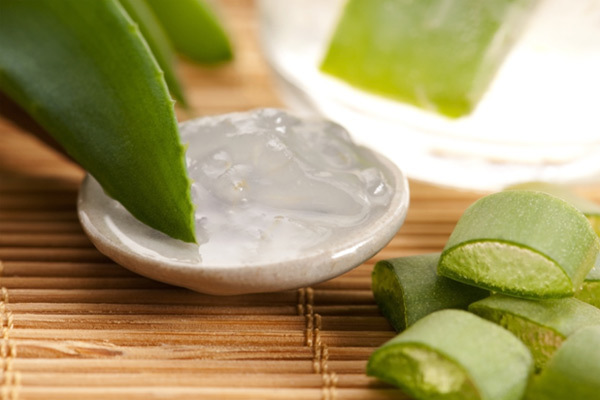
Aloe Vera Face Pack to Soothe and Fade Tan
Sun exposure is one of the biggest causes of tanned, uneven-looking skin, and this pack can help calm and refresh it. Mix fresh aloe vera gel with 2-3 teaspoons of lemon water and a proportional amount of rose water. Apply it on your face, leave it on for about 30 minutes, then rinse with cool water and finish with an ice cube as a natural toner. Skip the lemon if you have sensitive skin.
No time to scoop fresh aloe?
A good aloe vera gel works well as the base for this pack. → Shop aloe vera gel (paid link)

Tulsi and Neem Face Pack for Clear, Bright Skin
Neem is known for its antioxidants and antibacterial properties, which is why it’s a favorite for skin that’s prone to breakouts. Mix one teaspoon of tulsi powder with two teaspoons of neem powder and two teaspoons of multani mitti, then add rose water and a little lemon water to make a paste. Apply for about 30 minutes and rinse with cool water for fresher, brighter-looking skin. Multani mitti can be drying, so use this one once or twice a week rather than daily.
Prefer a ready-made pack?
If you’d rather skip the mixing, a ready-made herbal face pack is an easy, affordable shortcut. → Shop a ready-made herbal face pack (paid link)

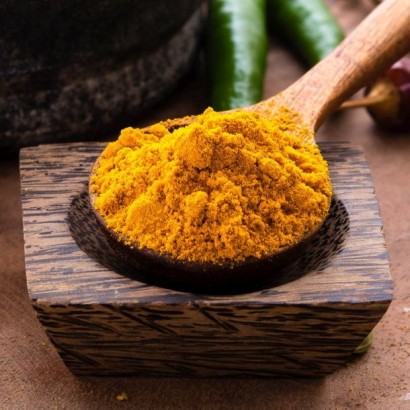
Turmeric and Besan Face Pack for Brightening and Even Tone
Mix two teaspoons of gram flour (besan) with a pinch of turmeric powder and enough rose water to make a smooth paste. Apply for 25-30 minutes and rinse with cool water. Turmeric is well known for helping skin look brighter and more even over time, and you can read more in our guide to the benefits of turmeric powder. Use only a pinch, since too much can leave a temporary yellow tint on the skin.
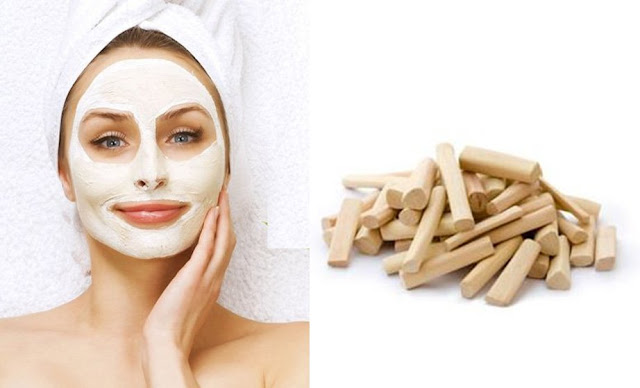
Sandalwood Face Pack for Youthful-Looking Skin
Sandalwood is rich in antioxidants and has soothing properties, and many people use it to support healthy-looking, youthful skin. Make a paste of two teaspoons of sandalwood powder and two teaspoons of multani mitti with rose water and a little lemon water. Apply it on your face and neck for 25-30 minutes, then rinse with cool water. With regular use, your skin can look fresher and more radiant.
Making the sandalwood pack at home?
Pure sandalwood powder is the key ingredient here. → Shop sandalwood powder (paid link)
Which Pack Is Right for Your Skin?
- Tanned or sun-exposed skin: the aloe vera pack, minus the lemon if your skin is sensitive.
- Oily or breakout-prone skin: the tulsi and neem pack, used once or twice a week.
- Dull or uneven-looking skin: the turmeric and besan pack.
- Mature or dry-leaning skin: the sandalwood pack, and consider swapping some of the multani mitti for a bit of plain yogurt or honey to keep it from drying out.
So say goodbye to unnecessary chemicals and go herbal. And if you’re short on time, a ready-made herbal face pack saves the effort. For more recipes, see our 10 homemade face packs for glowing and healthy skin and these home remedies for glowing skin.
Image: Gyanherbal, pinterest
Frequently Asked Questions
How often can I use a herbal face pack?
Once or twice a week is plenty for most skin types. Clay-based packs with multani mitti are best kept to once a week if your skin runs dry.
How long should I leave a face pack on?
About 20-30 minutes is typical for these recipes, but rinse sooner if the pack feels tight, itchy, or starts to sting.
Can I use these packs if I have sensitive skin?
Often yes, with adjustments. Skip the lemon, patch test first, and start with the aloe vera pack, which is the gentlest of the four.
How long before I see results from herbal face packs?
Skin often looks fresher and feels softer after the first use, but changes in tone or texture usually take a few weeks of regular, consistent use.
Are ready-made herbal face packs as good as homemade ones?
They can be a convenient alternative. Homemade packs give you full control over ingredients, while ready-made ones save time. Check the ingredient list and patch test either way.





Nice post!
Thanks!!
I´d love to try Tulsi and Neem herbal face pack!
Thanks for sharing some awesome tips….Aloe vera herbal face pack really helps a lot 🙂