
If you’ve spent any time on Instagram or Pinterest lately, you’ve probably seen someone swishing oil around their mouth first thing in the morning and swearing it changed their smile forever. Oil pulling has that effect on people — it shows up everywhere, wrapped in big claims about whiter teeth, fresher breath, and even “pulling toxins” out of your entire body.
Here’s the thing though: some of that is genuinely backed by research, and some of it is wellness-trend exaggeration that’s gotten a little out of hand. So let’s break it down honestly, the way we like to do things around here — what oil pulling actually is, what it can realistically do for your dental health, how to do it properly, and where it simply can’t replace the basics.
What Is Oil Pulling, Really
Oil pulling involves swishing about a tablespoon of oil — traditionally sesame oil, though coconut oil has become the more popular modern pick — around your mouth for several minutes before spitting it out. The idea is that the oil binds to bacteria, plaque, and debris in the mouth, which then gets removed the moment you spit rather than staying put.
This isn’t some new wellness fad dreamed up for social media, either. Oil pulling is rooted in Ayurvedic medicine, where it’s traditionally practiced first thing in the morning as part of a broader daily routine, alongside things like tongue scraping. It’s called kavala or gandusha in Ayurvedic texts, and it’s been around for centuries — the internet just discovered it recently.

What the Research Actually Shows
Several small studies have found that oil pulling can meaningfully reduce harmful bacteria in the mouth and may help with plaque buildup and gum inflammation, especially when coconut oil is used — its lauric acid content has genuine antimicrobial properties. That said, most of these studies are small in scale, and dentists generally agree oil pulling works best as a supplement to brushing and flossing, not a replacement for them.
Where things get a little exaggerated is the claim that oil pulling “detoxifies” your entire body or cures systemic health issues. There’s no solid evidence behind that. The realistic, evidence-backed benefits are specifically about your mouth — not your liver, not your skin, not your overall immunity. Which, honestly, is still a pretty good reason to try it.

Real Benefits of Oil Pulling
It May Reduce Harmful Bacteria
Swishing oil helps pull the bacteria linked to plaque buildup and bad breath away from your teeth and gums, since bacteria bind to the oil molecules and get removed the second you spit rather than sticking around in your mouth.
It Can Support Healthier Gums
A few studies point to reduced gum inflammation with regular oil pulling, most likely connected to a lower overall bacterial load rather than any single dramatic effect. If you deal with occasional gum sensitivity or mild bleeding when you brush, this is one of the more encouraging findings.
It May Genuinely Freshen Your Breath
Since oil pulling directly targets the bacteria responsible for bad breath, a lot of people notice fresher breath almost immediately — though it’s worth saying this benefit tends to be more short-term than long-term unless it becomes a consistent habit.
It’s a Low-Cost, Low-Effort Addition to Your Routine
Unlike a lot of trending wellness habits that need special tools or expensive products, oil pulling really just needs a spoon of oil you probably already have in your kitchen. It’s an easy, affordable habit to layer onto a routine you already have — a bit like the simple, ingredient-based fixes we talked about in our guide to treating dark underarms naturally, where the most effective habits ended up being the least complicated ones.
It May Help With Teeth Whitening Over Time
Oil pulling isn’t a whitening treatment in the way a whitening strip is, but by reducing surface bacteria and plaque buildup, some people do notice their teeth looking a little brighter over consistent use. Don’t expect dramatic results — think gradual and subtle.
It Can Be a Grounding Morning Ritual
This one’s less scientific, but worth mentioning. A lot of people who stick with oil pulling long-term say it becomes a small, calming part of their morning — something they do while getting ready, almost meditative. Habits that feel good tend to stick, and that matters just as much as the science.
How to Oil Pull Properly (Step-by-Step)
- Choose your oil. Coconut oil is the most popular modern choice for its pleasant taste and antimicrobial lauric acid content. Sesame oil is the traditional Ayurvedic pick and has its own supporting research. Either is a solid choice.
- Use about one tablespoon. You don’t need more than this — too much oil can be uncomfortable to swish and doesn’t add extra benefit.
- Swish for 15–20 minutes. This sounds like a lot, and honestly, it is. If that feels unrealistic when you’re starting out, even 5 minutes offers some benefit — just try to build up gradually rather than skipping it altogether.
- Never swallow the oil. By the end of the swish, it’s full of bacteria and debris, which is exactly what you’re trying to remove — not reabsorb.
- Spit it into the trash, not the sink. Oil can solidify and clog your pipes over time, so a tissue in the bin is the safer move.
- Rinse with warm water, then brush as usual. This finishes the routine and clears away any remaining residue.
- Do it on an empty stomach. Ideally first thing in the morning, before eating, drinking, or even brushing — that’s when bacteria buildup from overnight is at its highest.
Common Mistakes to Avoid
- Swishing too hard or too fast. This can tire out your jaw muscles and isn’t actually more effective — gentle, steady swishing works just as well.
- Giving up after one try. A single session won’t show you much. Oil pulling is a cumulative habit, and most people who see real results are doing it daily or several times a week over a period of weeks.
- Swallowing out of habit. It happens, especially early on. Just be mindful and spit it out if you accidentally swallow a small amount — it’s not dangerous, just not the point.
- Treating it as a replacement for brushing. Oil pulling supports your routine; it doesn’t substitute for the basics.
Oil Pulling vs. Mouthwash: What’s the Difference
It’s easy to assume oil pulling is basically a natural mouthwash, but they work a little differently. Mouthwash typically uses antiseptic or antibacterial ingredients to kill bacteria directly, often alongside alcohol or fluoride for added protection. Oil pulling, on the other hand, works more mechanically — the oil binds to bacteria and physically removes it rather than chemically killing it.
Neither one needs to replace the other. Plenty of people use oil pulling in the morning as part of their Ayurvedic routine and still use a regular mouthwash later in the day, especially after meals. They’re complementary habits rather than competing ones.
Signs Your Oral Health Might Need More Attention
While oil pulling is a lovely addition to a routine, it’s worth knowing which signs mean it’s time to see a dentist rather than relying on home remedies alone:
- Persistent bad breath that doesn’t improve with brushing or oil pulling
- Bleeding gums that continue for more than a week
- Tooth sensitivity to hot or cold that’s new or worsening
- Visible discoloration, chips, or cracks in a tooth
- Ongoing mouth pain or swelling
None of these should wait for a home remedy to “work.” They’re worth a proper dental visit.
What Oil Pulling Cannot Replace
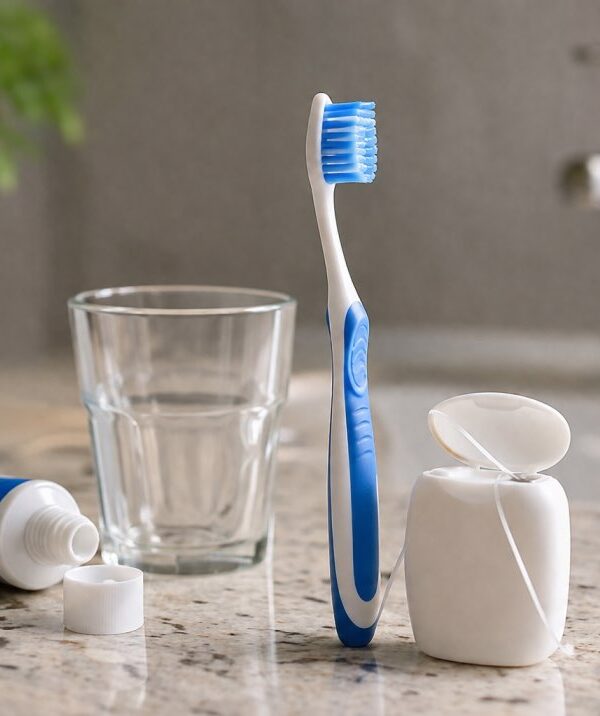
Oil pulling is not a substitute for brushing twice daily, flossing, or regular dental checkups. It’s also not a proven treatment for cavities, gum disease, or any diagnosed dental condition. Think of it as a supportive habit layered onto a solid oral care routine — not a stand-in for professional dental care. If you’re dealing with an existing dental issue, please see a dentist rather than relying on oil pulling alone to fix it.
Who Should Be a Little Cautious
Oil pulling is generally safe for most people, but a few things are worth keeping in mind. If you have a coconut allergy, stick with sesame oil instead. And if you have any existing jaw issues, like TMJ discomfort, the recommended 15–20 minute swish time might be uncomfortable — shorter sessions, or skipping the practice altogether, is completely fine.
Frequently Asked Questions
Which oil is best for oil pulling — coconut or sesame? Coconut oil is the more popular modern choice thanks to its pleasant taste and antimicrobial lauric acid content. Sesame oil is the traditional Ayurvedic choice and also has research behind it. Either works well — it really comes down to preference.
How long does it take to see results from oil pulling? Some people notice fresher breath within days, while more visible changes like reduced plaque tend to take several weeks of consistent daily practice.
Is it safe to swallow the oil after pulling? No. By the time you’re done swishing, the oil has collected bacteria and debris, so it should always be spit out rather than swallowed.
Can oil pulling actually whiten your teeth? It may contribute to a slightly brighter smile over time by reducing surface bacteria and plaque, but it isn’t a substitute for a proper whitening treatment if you’re dealing with noticeable discoloration.
Do I need to oil pull every single day for it to work? Daily is ideal, but even a few times a week consistently will likely show more benefit than doing it once and stopping. Like most Ayurvedic practices, it rewards consistency over intensity.
Can I do oil pulling and use mouthwash on the same day? Yes, they work differently and can be used together — oil pulling in the morning as part of your routine, and mouthwash later in the day, especially after meals.




Leave a Reply