
Traditional Indian clothes have always been a conversation starter. Be it the six-yard saree, kurti, or a beautifully embroidered salwar suit, an Indian woman wearing a traditional outfit will always grab your attention.
As an Amazon Associate, I earn from qualifying purchases. This post contains affiliate links marked (paid link).
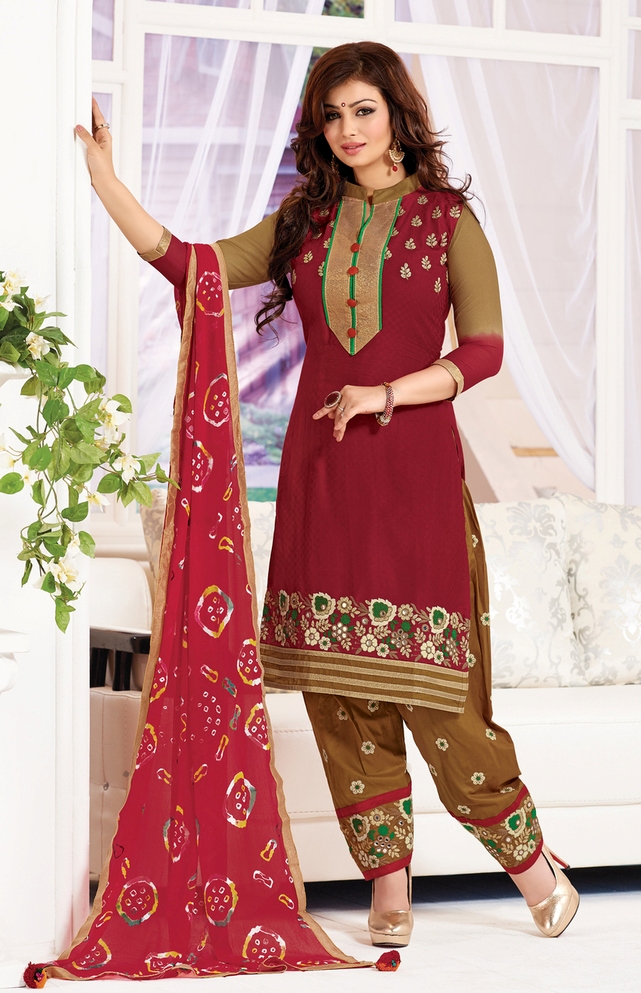
The History and Evolution of Salwar Suits
Salwar suits are believed to have their roots in the Mughal era. Worn by women of all ages, a typical salwar suit consists of a long tunic called a kameez or kurta/kurti, teamed with a loose pant called a salwar. Completing this look is a long sheer swatch of fabric known as a dupatta. This three-piece set has undergone various changes since its early inception and can now be customized in a number of stylish ways.
Women, irrespective of skin colour and body type, have adopted the salwar kameez with great enthusiasm. A salwar kameez can be made from a number of fabrics like silk, cotton, georgette, crepe, and many more. Visit any Indian shop or shop online and you will be amazed by the amount of styles, colours, and varieties on display. Bright reds are mixed with pleasing pinks while energetic blues blend perfectly into gorgeous green shades. If you’re new to selecting a set, our go-to salwar suit set (paid link) is a solid starting point.
Indian ladies are extremely fond of wearing cotton salwar suits in their day-to-day lives. Thanks to its comfortable nature and lightweight fabric, a salwar suit is a staple in any woman’s closet. These suits usually feature bright colours and various prints, with block-printed fabrics in intricate designs showcasing the ethnicity of Indian design. The most commonly used motifs are flowers, leaves, paisley prints, and sometimes even animals.
While traditional salwar kameez had straight cuts and loose bottoms, modern suits feature anarkali or fitted tops with tighter bottoms. Using materials such as cotton or chanderi, the salwar kameez is a preferred option for working women too, thanks to its demure and structured look. A collared kurta will add a touch of elegance to your outfit without compromising on style.
Salwar Suits by Body Type

Salwar kameez outfits suit women of all body types. No matter your body type, there’s definitely a style that’s perfect for you. Here’s a guide to help you select the right outfit for yours:
Apple Body Type
Indian women with apple body types tend to carry excess weight around the stomach area. For these women, the anarkali is ideal. With its long and loose form, it easily conceals the midsection. Anarkalis have come a long way since their original debut, you can experiment with cuts such as under-bust, empire line, wrap-around, and floor-length according to your preference. The empire line cut is favourable to most body types and gives a slimming look, while those on the lighter side can opt for under-bust cuts and wrap-around anarkalis. Feel free to mix and match various fabrics and prints according to your preference.
Pear Body Type
Pear-shaped women are usually slimmer on the torso and arms while being wider around the hips. Show off your toned arms in sleeveless kurtas and strappy tops. A good option for this body type is the indo-western tunic, which features a long kurta and fitted pants or churidar, without the dupatta. More women are forgoing the dupatta and adopting the clean look of indo-western tunics, adorned with various kinds of embroidery and embellishments. These pair beautifully with either oversized palazzos or fitted, embroidered straight-cut pants. Shop palazzo pants (paid link) to complete the look.
Hourglass Body Type
Considered the ideal body type, hourglass figures are the perfect frame for nearly any style of clothing. A typical hourglass figure consists of a curvy bust, narrow waist, and lightly flared hips. Take your pick from brightly coloured suits complete with beautiful embellishments and decorations, crafted from fabrics such as brocade, silk, chiffon, or brasso. These suits are often heavily embroidered with contrasting coloured threads, and designers make use of gold and silver threads, zari work, and sequins to add glamour to the outfit.

Vase (Rectangle) Body Type
If you have narrow shoulders, a smaller bust, and a tall frame, your body type is a vase shape. This shape is ideal for floor-length anarkalis, since they need a long frame for a dramatic look. The evolution of the salwar suit has reached the next level with the introduction of floor-length anarkalis. While these still consist of all three elements, kurta, salwar, and dupatta, the overall silhouette is quite different from a traditional salwar suit and will help you stand out in a crowd.
Curvy Body Type
For women who are a little bit on the heavier side, straight-cut kurtas paired with loose palazzo pants create a leaner look. A long kalidar anarkali without a bust cut is another flattering option that’s guaranteed to earn compliments.
How to Choose the Right Fabric for Your Body Type
Fabric choice matters just as much as cut when it comes to how a salwar suit falls on your body:
- Cotton and linen: breathable and structured, great for daily wear and for apple or curvy body types since they don’t cling.
- Georgette and chiffon: flowy and lightweight, ideal for pear and hourglass shapes that want movement without added bulk.
- Silk and brocade: structured and rich, best suited for hourglass and vase body types for formal occasions where the fabric itself can hold a dramatic silhouette.
- Crepe: drapes smoothly without clinging, a versatile, flattering choice across nearly every body type.
The salwar suit is no longer described as just Indian ethnic wear or a traditional outfit. Thanks to its versatility and modern influence, you can wear it for parties and outings with friends too. Numerous designers have combined the ethnic elements of a salwar suit with the modernity of western wear, using innovative cuts and styles to flatter women of all body types. If you’re also working out your everyday kurti styling, these same body-type principles carry over nicely.
Frequently Asked Questions
Which salwar suit style is most flattering for a curvy body type?
Straight-cut kurtas with loose palazzo pants, or a long kalidar anarkali without a bust cut, both create an elongated, leaner silhouette without clinging to the midsection.
Can I wear a salwar suit without a dupatta?
Yes, indo-western tunics have made the dupatta-free look increasingly popular, especially for pear-shaped bodies wanting a cleaner, more modern silhouette.
What fabric is best for a salwar suit in hot weather?
Cotton and linen are the most breathable choices for daily wear in warm climates, while georgette offers a lightweight alternative for occasions that call for something a bit dressier.
How do I know if I have an hourglass or vase body type?
Hourglass shapes have a defined waist with a curvy bust and flared hips of similar proportion, while vase shapes have narrower shoulders, a smaller bust, and a taller, straighter frame overall.
Are anarkali suits suitable for everyday wear?
Shorter, simpler anarkalis in cotton or crepe work well for daily wear, while heavily embellished silk or brocade versions are best saved for formal occasions and celebrations.


These suits are so beautiful!
-Ashley
Le Stylo Rouge
Yes, I’ve seen them in Bollywood movies. There are so many wonderful designs and colors.
http://www.fashionradi.com
These are all so beautiful xx
Janet
http://www.rediscoveringmystyle.com