
Putting on natural, well-chosen makeup doesn’t just make you look polished, it can make you feel more confident too. Almost everyone has a makeup kit of their own, but most of us pick products without checking a few important things first. Here are the things worth looking out for before you buy.

Makeup products range from lipsticks to eyeliner and from eyeshadow to concealer, and the list goes on. Knowing what to check before you buy saves you money, protects your skin, and means you actually use what you purchase.
As an Amazon Associate, I earn from qualifying purchases. This post contains affiliate links marked (paid link).
Table of Contents
Buy From Reputable Brands and Sellers
Makeup sits on your skin for hours, sometimes right next to your eyes and lips, so quality matters. Stick to reputable brands and authorized sellers. Counterfeit or unregulated products can contain ingredients you can’t verify, which can lead to rashes and allergic reactions. If a price looks too good to be true, it often is.
Read Reviews Before You Buy
Read online reviews before buying a new product. Many sites give detailed, honest reviews of makeup and beauty products. Look for reviewers whose skin type and tone are similar to yours, check more than one source, and be wary of reviews that read like advertisements.
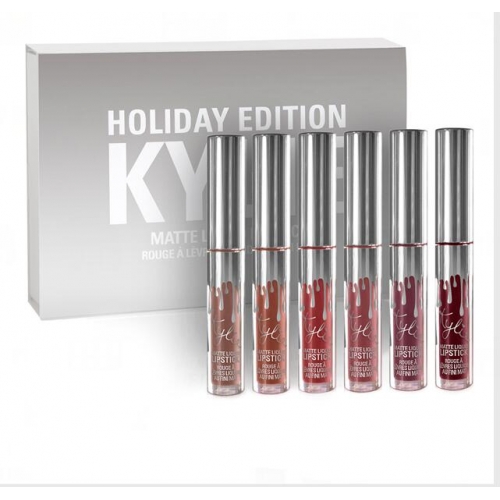
Know Your Skin Type
Is your skin dry, oily, combination, or sensitive? Your skin type decides which formulas will work for you:
- Dry skin: creamy, hydrating, or dewy formulas.
- Oily skin: oil-free, matte, or non-comedogenic formulas.
- Combination skin: lightweight formulas, sometimes using different products on different zones.
- Sensitive skin: fragrance-free, gentle formulas with short ingredient lists.
Not sure which one you are? Our guide on how to find out your skin type walks you through it.
Know Your Skin Tone and Undertone
Skin tone and skin type are different things. Your skin tone (how light or deep your skin is) and your undertone (warm, cool, or neutral) decide which shades will suit you, from foundation to blush and lipstick. When choosing a base product, test shades along your jawline in natural light, and choose the one that seems to disappear into your skin. Our guide on how to apply foundation correctly shows simple ways to find your undertone.
Check the Ingredients and Patch Test
If you have known allergies or sensitive skin, read the ingredient list before buying. Fragrance and certain preservatives are common triggers. Even if nothing looks suspicious, patch test any new product: dab a little on your inner arm and wait 24 hours before using it on your face. If you see redness, itching, or swelling, don’t use it.
Check the Expiry Date and PAO Symbol
Makeup doesn’t last forever. Check the expiry date at purchase, and look for the PAO (period after opening) symbol, a small open-jar icon with a number like “12M” that tells you how many months the product stays good after you open it. As a general guideline:
- Mascara: about 3 months
- Liquid foundation: roughly 12 months
- Lipstick: roughly 1-2 years
- Powder products: roughly 2 years
These are guidelines only, so follow the PAO symbol on your own pack. Replace anything that changes in smell, color, or texture, and throw out eye products after an eye infection.
Buying in Bulk: Only When It Makes Sense
Buying makeup in bulk can save money, but only for items you’ll actually use up before they expire, like a favorite lipstick shade or cotton pads. For anything with a short shelf life, such as mascara or liquid foundation, buying in bulk usually leads to waste. Stick to authorized sellers if you buy in larger quantities.
Swatch and Test Before You Commit
If you’re shopping in a store, swatch on your jawline or the back of your hand, and use disposable applicators rather than the shared ones on testers. If you’re shopping online, check shade photos on real skin, read the return policy, and start with a smaller size when possible. Wearing a product for a few hours is the best test of how it really performs.
Where to Splurge and Where to Save
A common approach is to spend a little more on products you wear daily and that sit closest to your skin or eyes, like foundation and mascara, and to save on trendy colors you may only wear a few times, like bold eyeshadow shades. Price doesn’t always equal quality, so combine this with reviews and ingredient checks.
Beginner Buying Priorities
If you’re just starting out, you don’t need a huge collection. Begin with a foundation or tinted moisturizer in your shade, a concealer, a mascara, and a lipstick or tinted balm, then build from there. For a full list, see our 10 best makeup items for beginners, and learn how to use them with our 30 best makeup tips for beginners.
A good place to start for the base:
A beginner-friendly foundation that’s easy to blend makes applying makeup much less intimidating. → Shop a beginner-friendly foundation (paid link)
An everyday essential for the eyes:
A good mascara makes the biggest difference for the least effort. → Shop a mascara (paid link)
And once you’ve bought your products, make sure you use them well. Avoid the common makeup mistakes that make you look older, and learn how to avoid cakey makeup.
How to Store Makeup So It Lasts
Heat, humidity, and sunlight shorten the life of makeup and can encourage bacteria growth. Keep your products in a cool, dry place away from direct sun, keep lids tightly closed, and avoid leaving them in a steamy bathroom. A dedicated storage case keeps everything organized, clean, and easy to find.
Keep your makeup organized and protected:
A makeup organizer or storage case keeps products tidy and away from dust and humidity. → Shop a makeup organizer or storage case (paid link)
Frequently Asked Questions
How do I know if a makeup product is authentic?
Buy from the brand’s official store or authorized retailers, check that the packaging, batch number, and expiry date look consistent, and be cautious of prices far below the usual retail price.
What does the PAO symbol on makeup mean?
It’s an open-jar icon with a number and the letter M, such as 12M. It tells you how many months the product stays good for after you first open it.
Is it okay to use testers in stores?
It’s fine if you use disposable applicators and avoid using testers on or near your eyes or lips. Shared testers can spread bacteria, so use them cautiously.
Should I buy expensive makeup or is budget makeup fine?
Both can work well. Price doesn’t always match quality, so check reviews and ingredient lists. Many people spend more on daily essentials like foundation and mascara and save on trend colors.
How often should I replace my makeup?
It depends on the product. Mascara roughly every 3 months, liquid foundation roughly every 12 months, and powders and lipsticks longer. Follow the PAO symbol on your pack, and replace anything that smells or looks different.
There are plenty more things worth keeping in mind when buying makeup. You’re most welcome to share your own tips in the comments below!





Lovely ❤
These are great tips and now there is YouTube too. This is a great resource to see how a product works and to get some honest opinions. Great post!
Allie of
http://www.allienyc.com
Hi,
Thanks for sharing such beautiful information with us. I hope you will share some more info about…..Please Keep sharing!
Thank you.
Thanks for you suggestions. Have a nice day. Best regards Jana